BACKGROUND
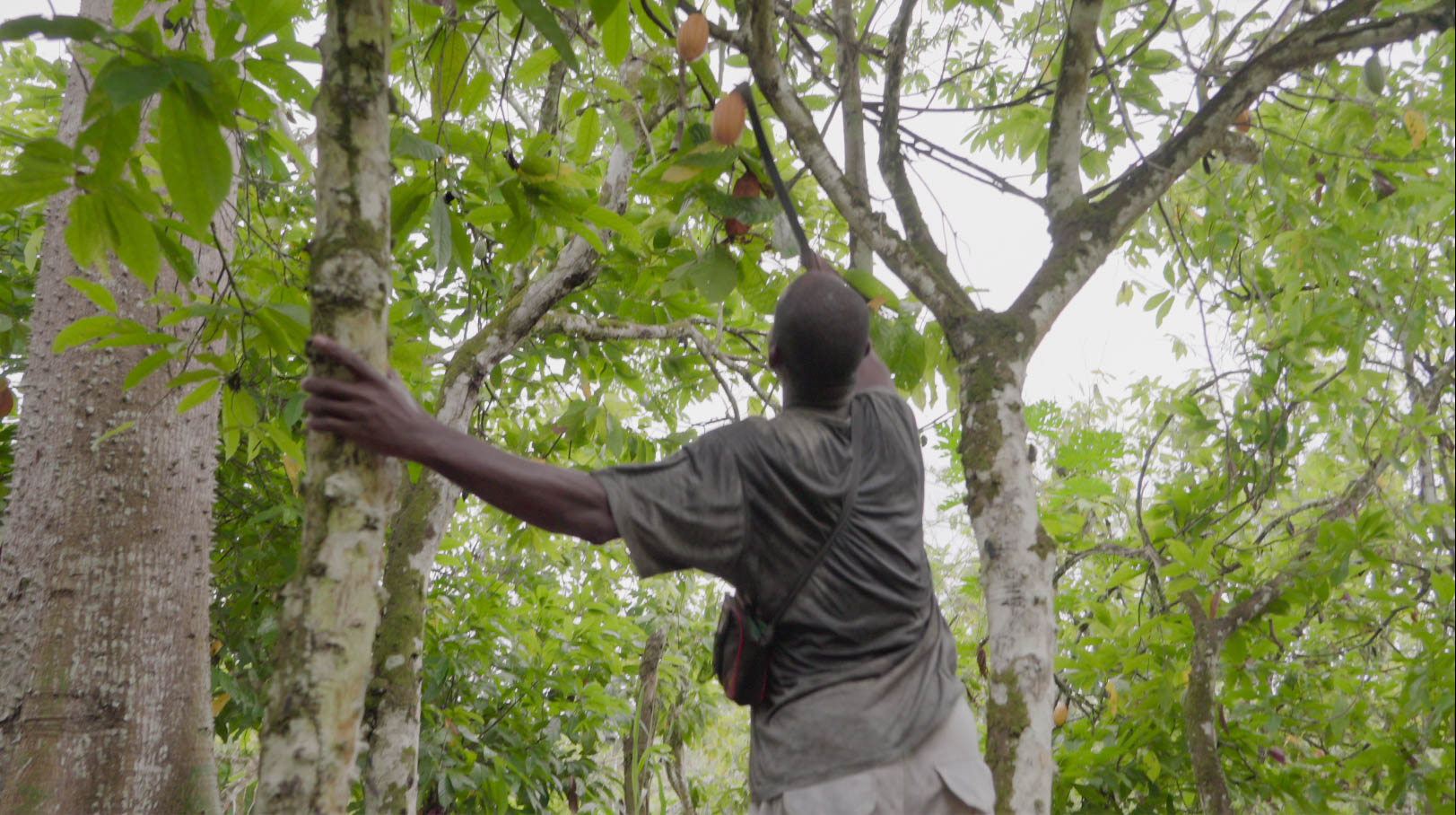
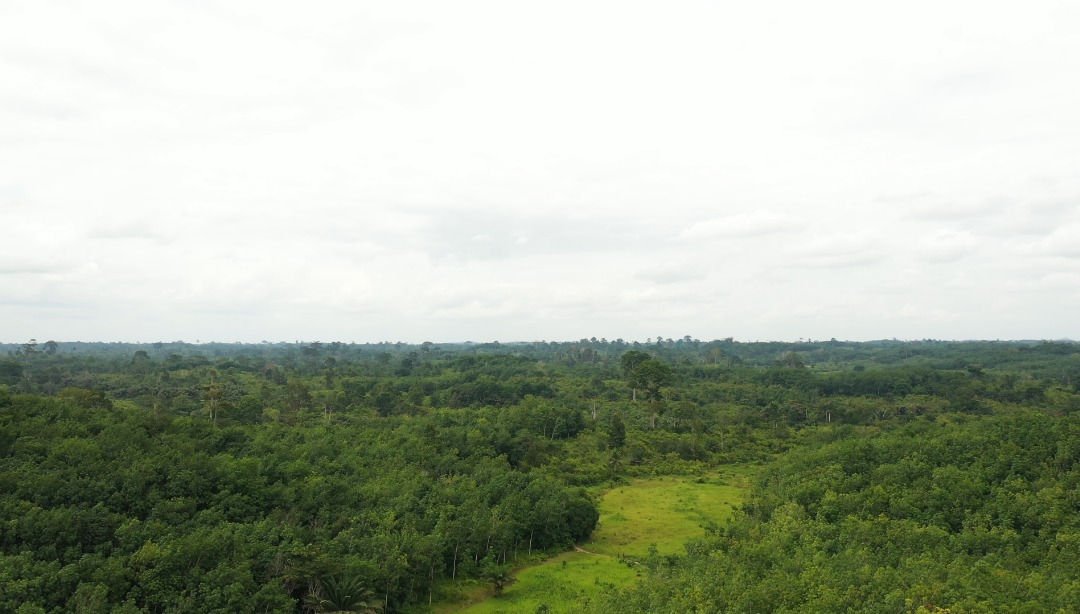
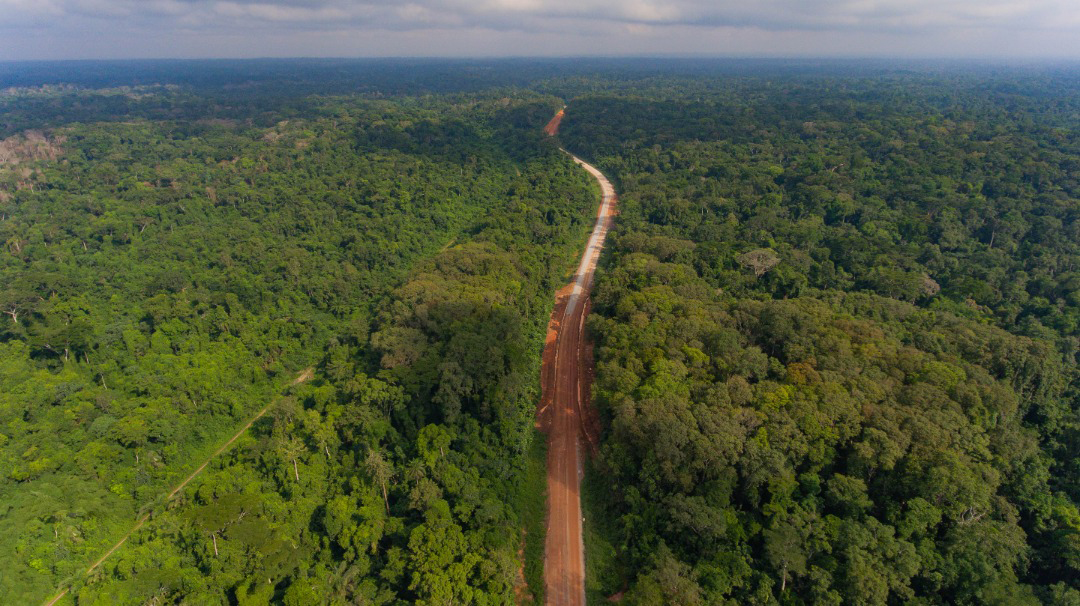
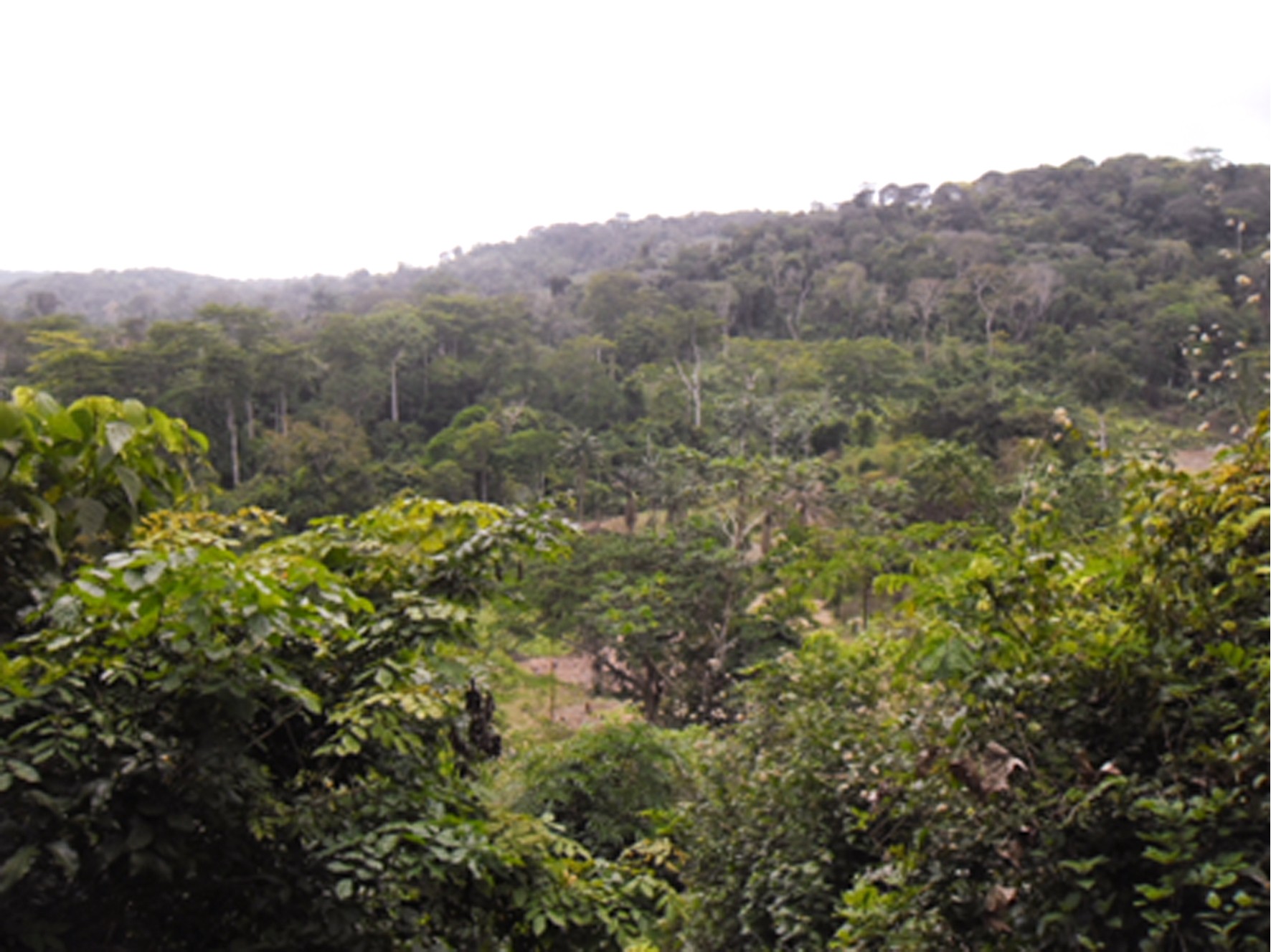
The forests of the Congo are both a source of livelihood for isolated populations and an important reservoir of tropical forest biodiversity and carbon. They are a source of wealth for the indigenous peoples (IPs) of the Congo, who depend almost exclusively on the natural resources found in these forests for their livelihoods and nutrition. Concentrated in the north of the country, the indigenous population is semi-nomadic and depends on the forests for hunting and non-timber forest products (NTFPs). For want of alternatives, forest communities practice slash-and-burn agriculture, artisanal timber harvesting, NTFP collection and hunting, both legal and illegal. Many of these practices are unsustainable, and the growing human populations in these forest areas pose challenges to forest stock protection and biodiversity conservation.
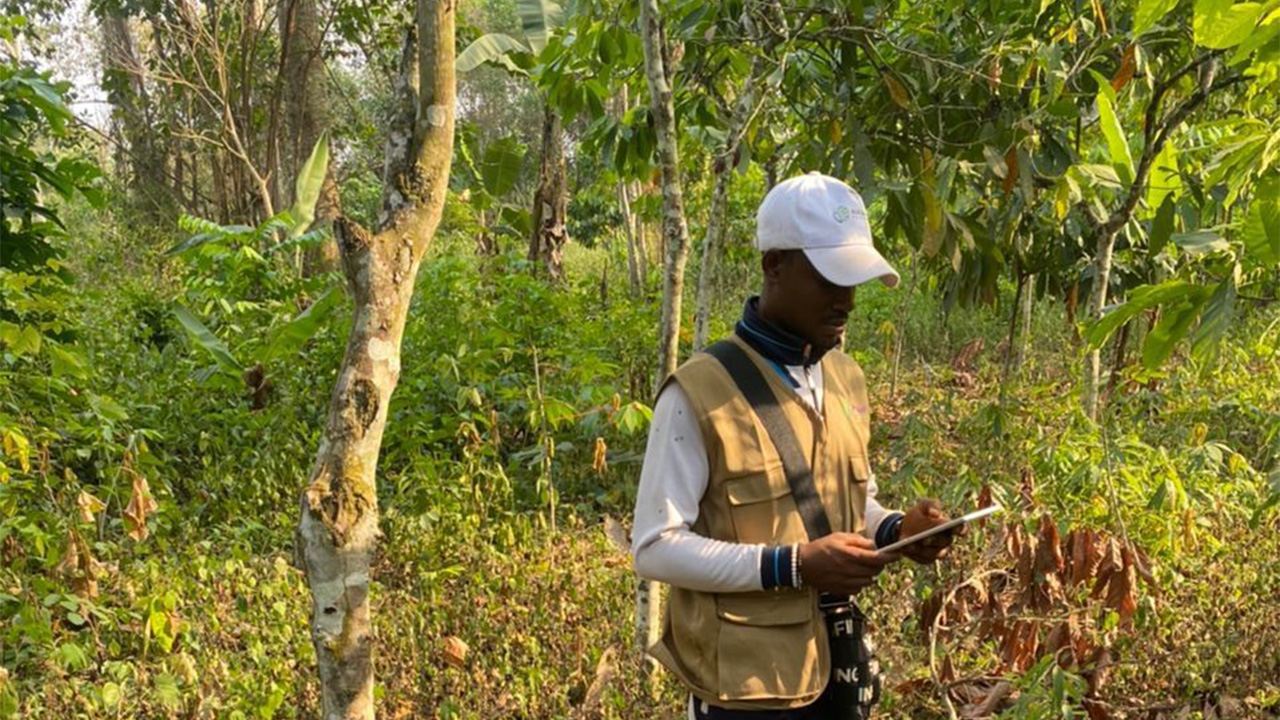
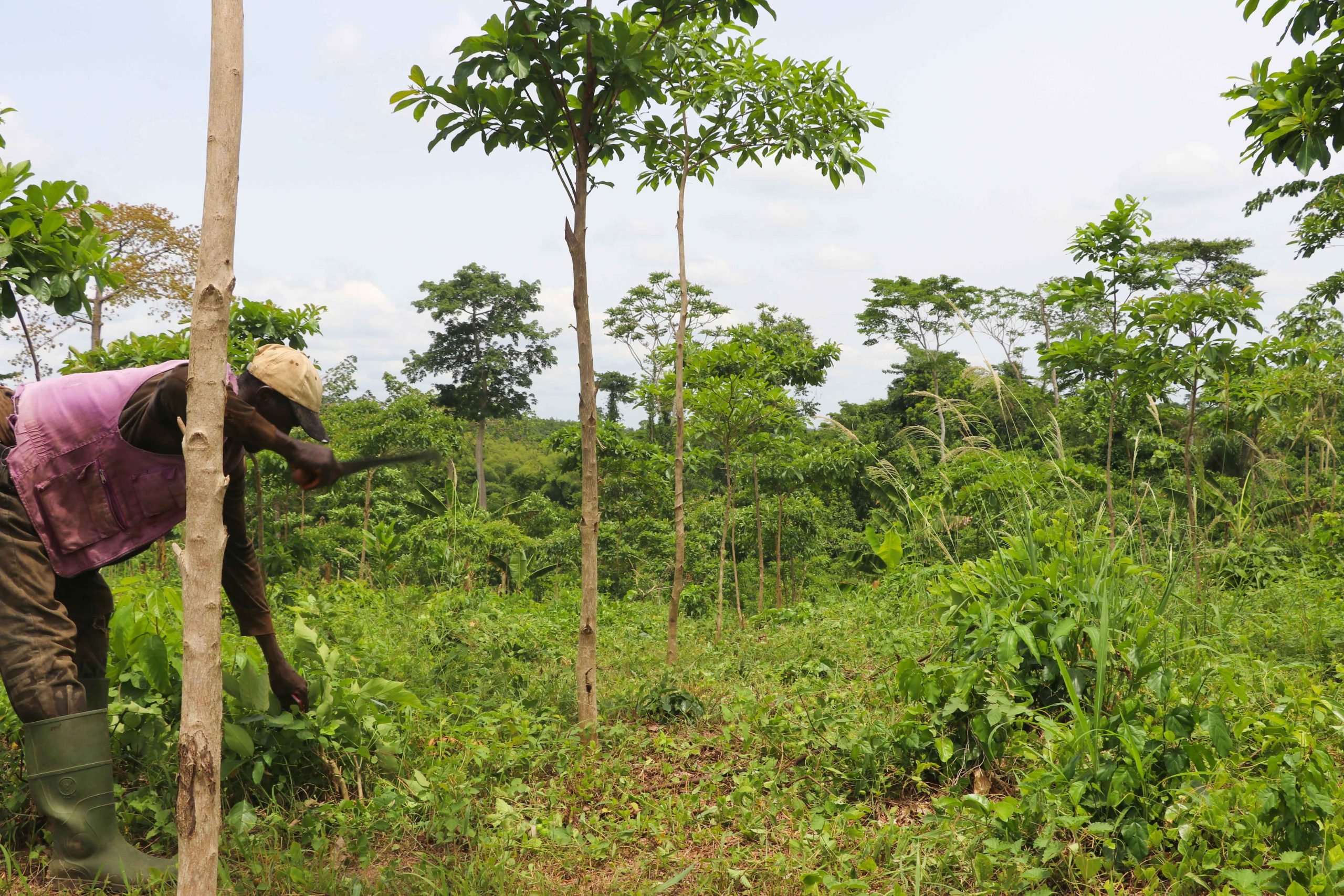
It is in this context that thehe Government of the Republic of Congo is implementing, with financing from the International Development Association (IDA) acting in its capacity as Implementing Agency of the Climate Investment Funds (CIF) the Projet d'Agroforestier dans le Nord du Congo (PANC), under the supervision of the Ministère de l'Economie Forestière (MEF)with the aim of strengthen climate-smart agriculture and conservation practices in the community development series (SDC) of the Sangha and Likouala departments.
.
OBJECTIVES
Overall objective: Strengthening climate-smart and conservation agriculture practices in community development series (SDC) in the Sangha and Likouala departments to reduce the footprint of slash-and-burn agriculture on the forest while improving local livelihoods.
-
To ensure that Simple Management Plans (PSG) are updated and drawn up to meet the needs of project beneficiaries;
-
Identify the drivers of deforestation and degradation of community forests to address concrete remedial actions;;
-
Set up an inclusive, participatory body for the governance and management of Payments for Environmental Services (PES) for the benefit of households and local communities and indigenous peoples (CLPA), in accordance with the provisions set out in the Project Appraisal Document;
-
Piloting of a sustainable system of Payments for Environmental Services (PES) for carbon sequestration benefiting households and Local Communities and Indigenous Peoples (CLPA);
RESULTS
-
L'update and development of Simple Management Plans (PSG) that meet the needs of project beneficiaries are ensured.;
-
Drivers of deforestation and degradation of community forests are identified with a view to addressing concrete remedial actions;
-
The establishment of an inclusive, participatory body for the governance and management of Payments for Environmental Services (PES) for the benefit of households and local communities and indigenous peoples (CLPA), in accordance with the provisions set out in the Project Appraisal Document is ensured.
-
The piloting of a sustainable system of Payments for Environmental Services (PES) for carbon sequestration benefiting households and Local Communities and Indigenous Peoples (LCPI) is ensured;
Associated Projects